the stable
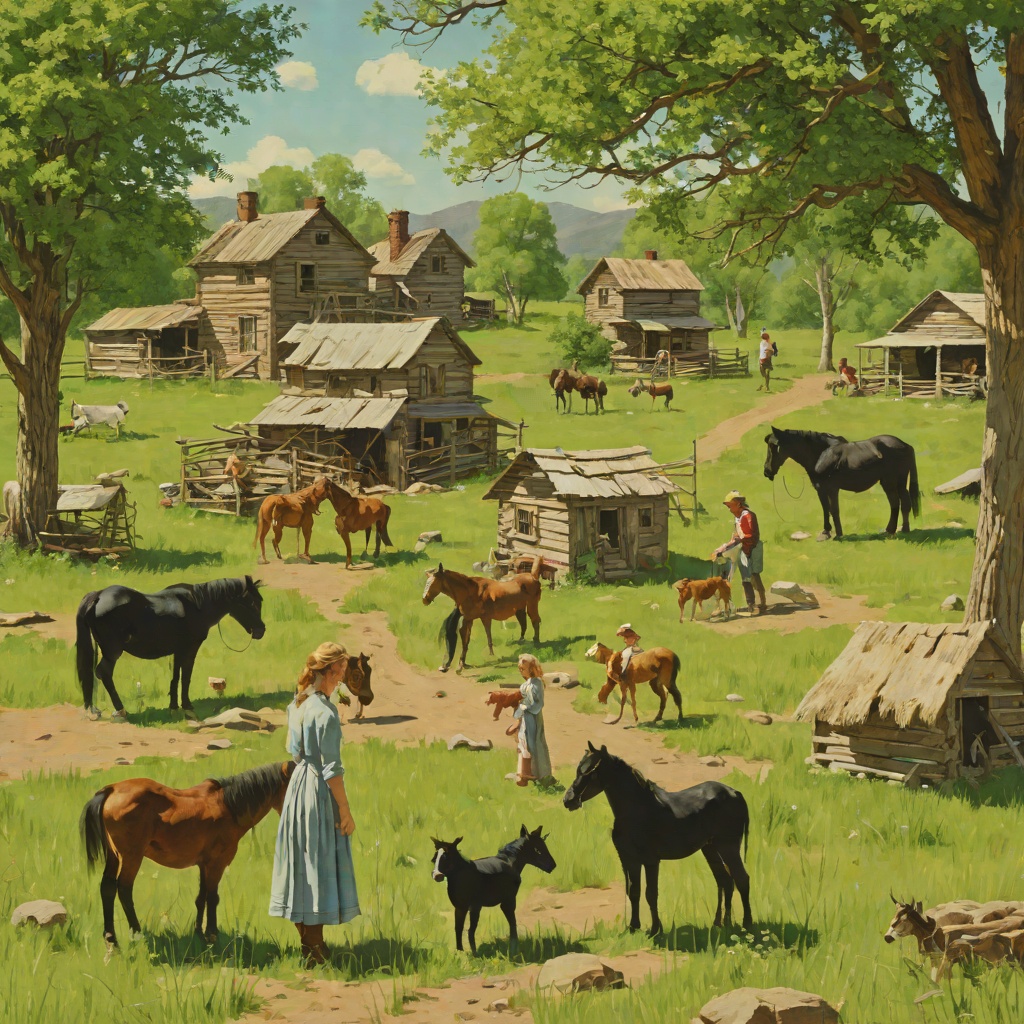
Little House on the PrairieThe stable is the small log outbuilding that Charles Ingalls raises beside the family's new home on the High Prairie, and it quickly becomes the hinge between the Ingalls family's fragile domestic safety and the wild dangers of the Kansas frontier. Built in a single day by Pa and Mr Edwards, the stable is the first structure completed after the house walls go up, and it shelters the family's two horses, Pet and Patty, from the wolves that howl all around the cabin at night. More than a mere barn, the stable is where the family's most vulnerable members are protected, where a new life is born, where the dog Jack is tied to keep him from following Pa hunting, and where the animals are locked away whenever wolves, cattle drives, or Indian war-cries threaten. Its repeated appearances mark the rhythm of frontier life: building, birthing, guarding, and ultimately abandoning, and it stands as a quiet monument to the family's constant negotiation with the wild land they have chosen to inhabit.
Building the Stable and Its Place in the Homestead
The stable is conceived out of fear. The morning after Mr Edwards dances wildly in the moonlight to Pa's fiddle, Pa tells Ma that he heard wolves everywhere around them during the night and that they need strong thick walls around them. He announces that he will make the floor and roof of the house later because he must build a stable for Pet and Patty as fast as he can, insisting that the horses should be safe inside walls, too. Pa and Mr Edwards build the stable in one day, and by the time they put the roof on, it is dark. Pa declares, "Now! Let those wolves howl! I'll sleep tonight," revealing that the stable is not just a convenience but a psychological necessity, the structure that allows the family to rest. The stable is thus the second building of the homestead, raised before the house is even finished, a testament to the priority placed on protecting the animals that make frontier life possible.
The Birth of the Colt and the Protection of New Life
The stable is the site of a joyful surprise and a lesson in the boundaries of trust. In the morning after the stable is finished, Laura goes inside and finds a little colt with long ears standing beside Pet. When Laura runs toward it, gentle Pet puts back her ears and shows her teeth, and Pa shouts, "Stay back, Laura! She could bite you." Pa then speaks to Pet, saying, "You know we won't hurt your baby, Pet," and Pet lets Pa touch the baby but will not let Laura or Mary go near her. This moment establishes the stable as a place of new life and maternal protection, where even the gentlest horse becomes fierce in defense of her young. It also teaches Laura a boundary: the stable is not a playground but a place where the animals' needs and instincts come first, and where human curiosity must yield to animal trust.
The Stable as a Place of Restraint and Duty
The stable also serves as a place of restraint, most notably for the family dog, Jack. Early one morning Pa takes his gun and goes hunting, and Jack wants to go too, but Pa ties him to the stable. Pa tells Jack, "You must stay here and take care of the family," and then instructs Mary and Laura, "Don't untie him, girls." Poor Jack lies down, miserable, and the girls stay by the stable all morning trying to play with him, but he is unhappy. This scene shows the stable as a place of duty and sacrifice, where Jack's instinct to hunt with Pa is overridden by his role as protector of the family. The stable is thus not only a shelter for horses but also a tether for the dog, a place where the family's animal companions are assigned their roles in the domestic order. The stable's role as a place of restraint deepens as the threat from the Indians grows. When the strange noise of many Indian voices begins, Ma locks the animals in the stable and tells Laura and Mary to bring wood into the house, then takes Jack inside and locks the door. Later, when the noises from the Indian camps grow louder and wilder, Pa shuts the horses and cows in the stable and brings Jack into the house, and no one can go outdoors until morning. The stable becomes the fortress for the animals, the place where they are secured against the wild sounds and potential violence of the prairie night.
The Stable as a Site of Exchange and Provision
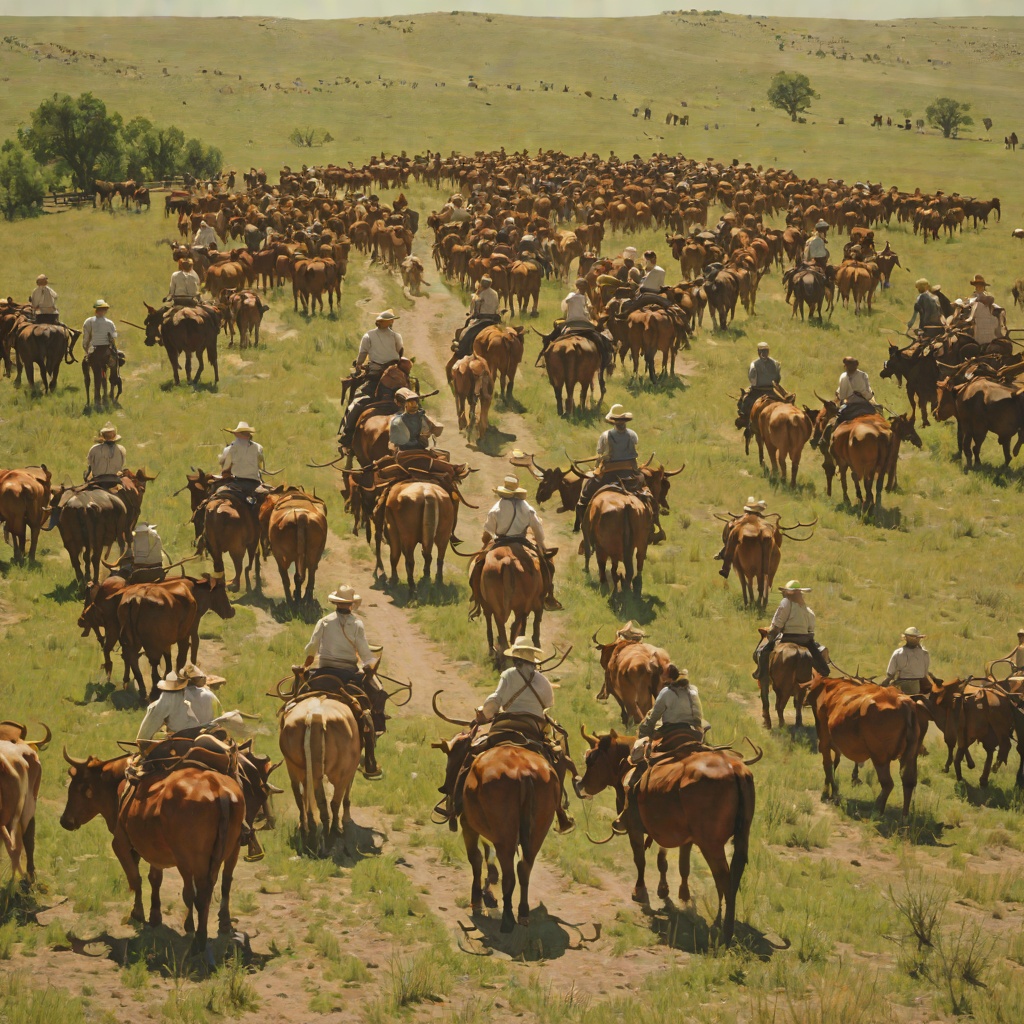
The stable is also a place where the family's fortunes change through gifts and trade. Late one afternoon, Laura sees Pa riding home with two cowboys, a cow, and a little black-and-white calf. Pa ties the cow to the stable and says goodbye to the cowboys. Ma's eyes open wide when she sees the new animals, and Pa explains that the cowboys gave him the cow because she was too thin to sell, and the calf is too small to travel, and they gave him the beef, too. Pa then goes out to the stable to get some milk from the cow for Baby Carrie, and they watch her drink all that good milk. The stable is thus the receiving point for the family's new livestock, the place where the cow is tied and milked, and where the family's provision is secured. This moment of generosity from the cowboys transforms the stable from a simple horse shelter into a source of nourishment for the youngest Ingalls child, and it marks a high point of the family's fortunes on the prairie.
The Stable's Role in the Family's Daily Life and Its Enduring Significance
The stable is woven into the daily texture of the Ingalls family's life on the prairie. It is where Pa rides Patty from when he goes to see what he can see, and where he returns after his terrifying encounter with the wolf pack, describing how the wolves walked along with him like a pack of dogs, and how he was scared the whole way home, thinking the wolves might come to the stable where Pet and her colt were outside. The stable is thus the object of Pa's fear and concern, the place he must protect even at the risk of his own life. The stable also stands in contrast to the house itself, which is the site of domestic order, where Ma cooks prairie chicken in the new fireplace and the family eats together in silence, with Laura sitting up straight on her log chair and using her knife and fork nicely. The stable is the rougher, more utilitarian space, where the animals are kept and where the family's livelihood is anchored. As the family prepares to leave Indian Territory, the stable, like the house, is left behind, a structure that has served its purpose and is abandoned to the prairie. The stable's significance lies in its role as the family's first line of defense against the wild, the place where new life is born and protected, where animals are secured against danger, and where the family's provisions are gathered. It is a quiet but essential structure that embodies the Ingalls family's determination to carve out a safe and productive life on the edge of the wilderness, and its repeated appearances mark the stages of their journey from building to birthing to guarding to leaving.